Adaptability and the Structure of Capital
Abstract
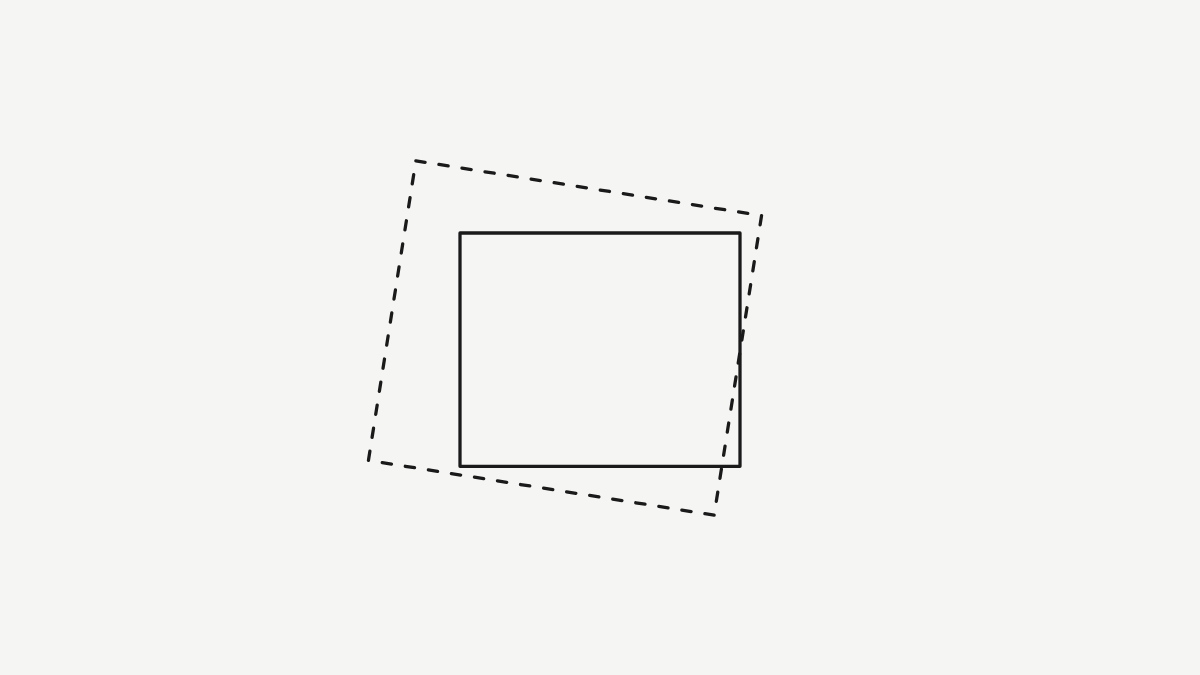
A structure built for one environment binds when the environment moves around it.
Capital at Risk — Paper 08
I. Environments
Structures optimised for one environment often become restrictive in another.
Capital systems are typically designed around the conditions prevailing at the time they are created. Tax regimes appear stable. Jurisdictions seem predictable. Monetary policy follows familiar patterns. Investment vehicles are constructed to operate efficiently within those parameters.
In stable environments this optimisation appears rational. Structures can be refined to minimise friction, maximise efficiency, and align with prevailing regulation.
Yet the environments surrounding capital rarely remain stable.
Tax regimes evolve. Legislation changes. Monetary systems shift. Families move across jurisdictions and generations. Over time the assumptions embedded in capital structures may no longer reflect the conditions in which they operate.
Durable capital systems preserve adaptability. Flexibility allows capital to adjust when the legal, economic or personal context surrounding it changes.
II. Monetary Environments
Monetary policy can alter the behaviour of capital holders in ways that are rarely anticipated when structures are first designed.
Periods of extremely low or negative interest rates illustrate this dynamic. When deposits cease to preserve value, savers begin searching for alternative stores of value outside the banking system.
Historically these responses have taken many forms — foreign currency, precious metals, real assets, or offshore banking arrangements.
More recently, digital assets have appeared as another possible response. Their appeal often lies not in technological enthusiasm but in the perception that they operate outside traditional monetary structures.
The specific instrument is less important than the pattern it reflects. When monetary conditions change, capital adapts.
III. Jurisdictional Risk
The legal environment surrounding capital can also change abruptly.
Governments facing financial stress have historically introduced capital controls, restricted currency convertibility, or restructured sovereign obligations. These measures alter the practical accessibility of capital without necessarily altering the legal ownership of it.
During the banking crisis in Lebanon, depositors holding accounts denominated in US dollars found that withdrawal limits were imposed despite much larger balances being recorded within the banking system. Accounts containing substantial sums could only access small monthly amounts.
The capital had not disappeared. It had become structurally inaccessible.
For long-horizon capital, jurisdiction therefore becomes another variable in the architecture of durability.
IV. Control Points
Attempts to create financial systems outside existing structures often encounter a similar constraint.
Architectures that appear decentralised tend to reconnect to the traditional financial system at their interfaces.
Digital assets provide a visible example. While the underlying protocols may operate independently of banks, most users interact with them through exchanges, custodians and payment platforms that remain connected to the existing financial system.
Control therefore re-emerges at the points where systems connect.
Conversion between digital assets and national currencies, custody arrangements, and taxation regimes all reintroduce regulatory oversight. What appears decentralised at the protocol level frequently becomes centralised again at the gateways through which capital enters and exits.
Adaptation therefore occurs on both sides. Capital seeks alternative structures when constraints emerge, while financial systems respond by reasserting control at the connection points.
V. Implication
Financial systems evolve. So do the environments in which they operate.
Structures designed for one set of assumptions will eventually encounter conditions those assumptions did not anticipate.
The durability of capital therefore depends not only on the assets it holds, but on the adaptability of the structures through which those assets are owned and accessed.
Structures designed around stable assumptions tend to function well within them. The constraints become visible when the assumptions no longer hold.
Further Reading
Receive new papers
New papers, sent occasionally. No marketing sequences. No commentary churn.